Procurement Consulting: Helping Businesses Buy Smarter
For many businesses, procurement starts off simple—but as operations grow, it quickly becomes more complex. Managing multiple vendors, controlling costs, ensuring quality, and keeping everything organized can feel overwhelming. That’s where procurement consulting and procurement consulting services come into the picture.
Instead of trying to fix everything internally, businesses often turn to experts who can guide, optimize, and improve their procurement processes.
What Is Procurement Consulting?
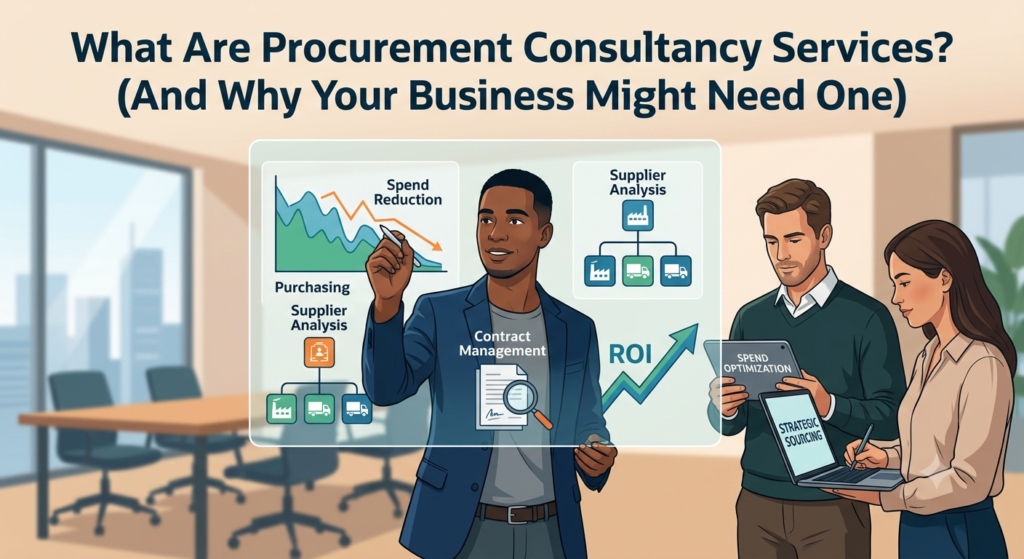
Procurement consulting is about working with specialists who help businesses improve how they source and purchase goods or services.
Rather than handling day-to-day buying, consultants focus on:
Analyzing current procurement processes
Identifying inefficiencies and cost leaks
Recommending better sourcing strategies
Improving supplier management
Introducing tools and best practices
In simple terms, they help you figure out what’s not working and how to fix it.
Why Businesses Consider Procurement Consulting Services
Not every company starts with a structured procurement system. Over time, gaps start to show—especially when purchasing volumes increase.
Here are some common reasons businesses look into procurement consulting services:
1. Costs Are Increasing Without Clear Reason
When spending goes up but there’s no clear explanation, consultants can analyze data and find where money is being lost.
2. Processes Feel Disorganized
If procurement involves too many emails, manual tracking, or unclear workflows, it can slow everything down.
3. Vendor Management Is Difficult
Handling multiple suppliers without a clear system can lead to miscommunication and missed opportunities.
4. Lack of Strategy
Some businesses operate reactively—buying only when needed—without a long-term plan.
5. Scaling Challenges
As companies grow, their procurement process needs to evolve. What worked for a small team may not work at a larger scale.
What Do Procurement Consulting Services Typically Include?
Procurement consulting services can vary depending on business needs, but they usually cover a few key areas:
Process Evaluation
Understanding how procurement is currently handled and identifying gaps or inefficiencies.
Cost Optimization
Finding ways to reduce costs without compromising on quality.
Supplier Strategy
Helping businesses choose the right vendors and build stronger relationships.
Digital Transformation
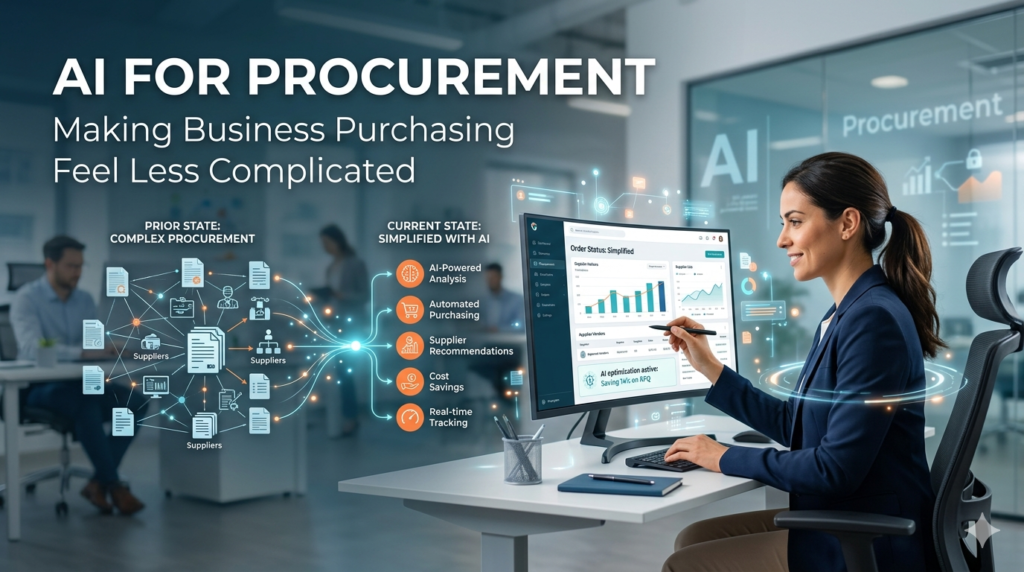
Recommending or implementing procurement tools to replace manual workflows.
Risk Management
Identifying potential risks in the supply chain and creating backup plans.
How Tools Like ZOPA FLUX Support Consulting Efforts
While consultants provide direction, tools help put those improvements into action. This is where solutions like ZOPA FLUX become useful.
Bringing Structure to RFQs
Consultants often recommend standardizing procurement processes. ZOPA FLUX supports this by making it easier to create consistent RFQ documents using templates.
Simplifying Vendor Communication
Instead of scattered emails, RFQs can be shared through a single link, making interactions more organized.
Centralizing Vendor Responses
All responses come into one place, which aligns with the goal of improving visibility and control.
Supporting Better Decisions
With side-by-side comparisons, businesses can evaluate vendor options more clearly—something consultants often emphasize.
Creating a System for the Long Term
Procurement consulting is not just about short-term fixes. Tools like ZOPA FLUX help maintain structured processes even after consulting engagements end.
When Should You Consider Procurement Consulting?
You don’t need to wait for major problems to arise. Some signs that it might be time include:
Procurement feels unorganized or inconsistent
Costs are difficult to track or control
Vendor selection takes too long
There’s no clear procurement strategy
Teams rely heavily on manual processes
Even small improvements in procurement can lead to noticeable savings and efficiency gains.
Making Procurement More Manageable
Procurement doesn’t have to be complicated—but without the right approach, it often becomes that way.
Procurement consulting services help businesses step back, understand their current challenges, and build a better system. When combined with the right tools, those improvements become easier to implement and sustain.
Over time, this leads to a procurement process that feels less reactive and more controlled—where decisions are clearer, costs are better managed, and everything runs a bit more smoothly.
Optimize Resources, Achieve Success
FAQ
1. What is procurement consulting?
Procurement consulting involves working with experts who analyze and improve a company’s purchasing processes, helping reduce costs, streamline workflows, and enhance supplier management.
2. Why do businesses need procurement consulting services?
Businesses use procurement consulting services to identify inefficiencies, control rising costs, improve vendor relationships, and build a more structured and strategic procurement process.
3. What services are included in procurement consulting?
Procurement consulting services typically include process evaluation, cost optimization, supplier strategy, digital transformation, and risk management.
4. How does procurement consulting help reduce costs?
Consultants analyze spending patterns, identify cost leaks, negotiate better supplier terms, and recommend more efficient sourcing strategies to achieve long-term savings.
5. When should a company consider procurement consulting services?
A company should consider procurement consulting when processes feel disorganized, costs are unclear, vendor management becomes difficult, or when scaling operations requires a more structured approach.