Procurement Strategy: Making Business Buying More Thoughtful
Every business needs to buy something—whether it’s equipment, services, or everyday supplies. But not every business has a clear procurement strategy.
And you can usually tell the difference.
Without a strategy, purchasing often feels rushed. You need something quickly, you reach out to a few vendors, compare prices in a hurry, and go with what seems right at the moment. It works—but it’s not always efficient.
With a proper approach in place, things feel a lot more controlled.
So, What Is a Procurement Strategy?
A procurement strategy is simply a plan for how your business buys things.
It answers questions like:
How do we choose vendors?
What factors matter most—price, quality, reliability?
How do we make sure we’re not overspending?
It’s not about making things complicated. It’s about having a clear way of doing things instead of figuring it out every single time.
Why It Actually Matters
At first, it might seem like you don’t need a strategy. But as soon as purchases start increasing, the gaps become obvious.
You might end up paying more than necessary
Different people might follow different processes
Vendor communication can get messy
Decisions can feel inconsistent
A procurement strategy helps avoid all that by bringing some structure into the process.
What a Good Procurement Strategy Looks Like
It doesn’t have to be a long document or a complex system. A good strategy is usually built on a few simple ideas:
Knowing What You Need
Being clear about your requirements saves a lot of back-and-forth later.
Choosing Vendors Carefully
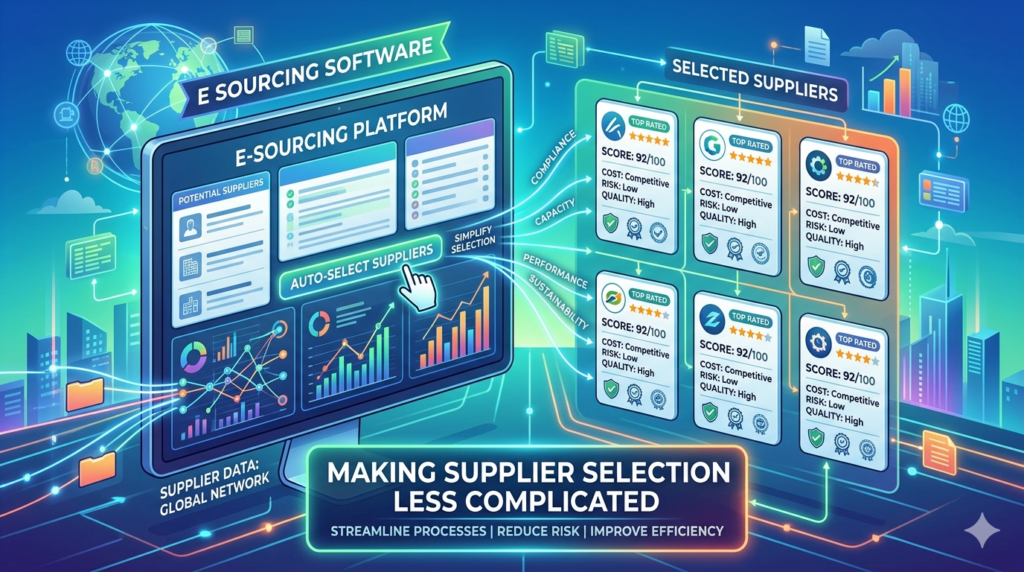
Instead of picking whoever responds first, you compare based on what actually matters to your business.
Looking Beyond Just Price
The cheapest option isn’t always the best. Quality, reliability, and long-term value matter too.
Having a Backup Plan
Things don’t always go as expected. Having alternative suppliers can save you from last-minute stress.
Learning From Past Purchases
Looking back at what worked (and what didn’t) helps you make better decisions next time.
Where Tools Like ZOPA FLUX Help
Even with a good strategy, things can get messy if everything is handled manually. That’s where tools like ZOPA FLUX come in—not to change your strategy, but to support it.
Keeping RFQs Consistent
Instead of creating requests from scratch every time, templates help you maintain a standard format. This makes your process more uniform.
Making Communication Simpler
Sharing RFQs through a single link reduces the usual back-and-forth and keeps vendor communication organized.
Bringing Everything Together
All vendor responses come into one place, so you don’t have to search through emails or files.
Making Comparisons Easier
When responses are structured, it’s much easier to evaluate options based on your strategy.
Helping You Look Back
Having access to past RFQs and decisions makes it easier to improve your approach over time.
Common Things That Go Wrong
Even with a strategy, a few habits can still cause problems:
Focusing only on price and ignoring overall value
Not following a consistent process
Forgetting to review supplier performance
Managing everything manually for too long
Not keeping proper records
These small issues can slowly make procurement feel disorganized again.
Keeping It Simple and Practical
A procurement strategy doesn’t need to be perfect—it just needs to work for your business.
The goal isn’t to add extra steps. It’s to make decisions easier, reduce confusion, and avoid unnecessary stress. When you have a clear approach, procurement stops feeling like a last-minute task and becomes something you can handle with more confidence and control.