AI for Procurement: Making Business Purchasing Feel Less Complicated
Procurement isn’t just about buying things—it’s about managing people, prices, timelines, and a lot of small moving parts.
And if you’ve ever handled it manually, you know how quickly it can get overwhelming. Emails pile up, vendor quotes come in different formats, and comparing everything takes more time than expected.
This is where AI for procurement starts to help—not by changing everything, but by making the process easier to handle.
So, What Does AI for Procurement Actually Do?
At a simple level, AI helps take care of the repetitive and time-consuming parts of procurement.
Instead of doing everything manually, it can:
Handle routine tasks like follow-ups
Organize vendor information automatically
Highlight key details in quotes
Help you compare options faster
It’s not doing the thinking for you—it’s just clearing the clutter so you can focus on decisions.
Where You’ll Notice It the Most
AI usually shows up in the parts of procurement that feel the most tedious.
Dealing With Repetitive Work
Things like creating RFQs again and again, sending reminders, or tracking responses can take up a lot of time. AI helps reduce that effort.
Making Vendor Data Easier to Read
Instead of going through multiple emails and attachments, AI can help structure everything so it’s easier to understand.
Comparing Quotes Without the Stress
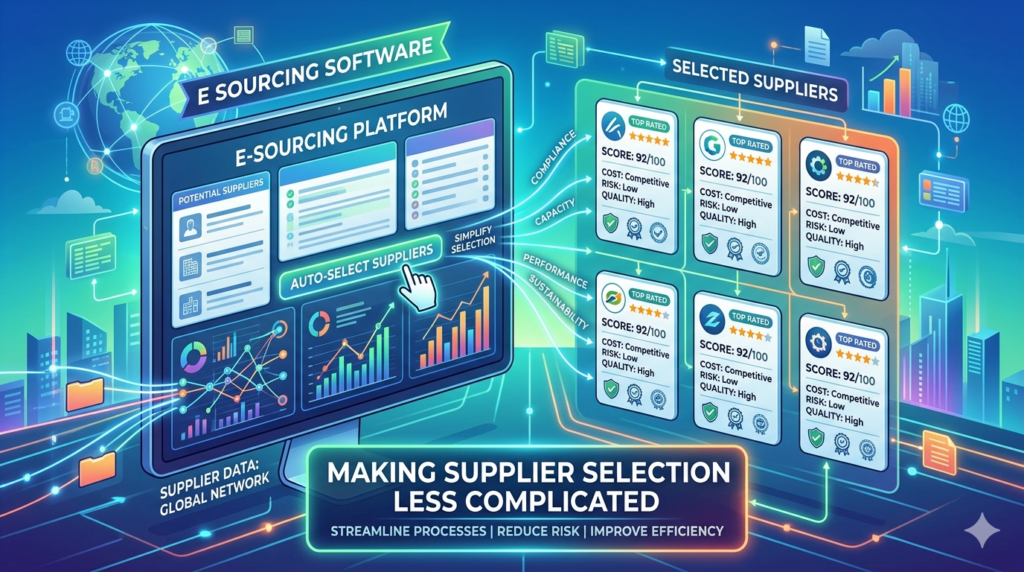
When every vendor sends their proposal differently, comparison becomes a task on its own. AI helps bring everything into a clearer format so you can review it faster.
Spotting Patterns You Might Miss
Over time, AI can show trends—like which vendors consistently offer better pricing or where you might be overspending.
How Tools Like ZOPA FLUX Fit Into This
AI becomes useful when it’s part of a tool you already use. ZOPA FLUX focuses on the RFQ process, which is one of the areas where AI can make a noticeable difference.
Less Effort in Creating RFQs
Instead of starting from scratch every time, you can use structured templates—and AI can help make that process even smoother.
Keeping Responses Organized
All vendor replies come into one place, so you’re not jumping between emails or files.
Easier Comparisons
When everything is structured, and AI helps highlight important details, comparing vendors becomes much less time-consuming.
Learning From Past Data
Over time, the system can help you see what’s working and what isn’t, making future decisions a bit easier.
Why More Teams Are Starting to Use It
Most businesses aren’t looking for “advanced technology”—they just want things to work better.
Less time spent on repetitive tasks
Less confusion when managing vendors
Faster decisions
Better visibility into what’s going on
That’s really what AI is helping with.
It’s Not Replacing Anyone
There’s a common concern that AI will take over jobs—but in procurement, that’s not really the case.
You still need people to:
Make final decisions
Negotiate with vendors
Build relationships
Handle unexpected situations
AI just supports the process. It takes care of the routine work so you can focus on the parts that actually need human judgment.
Making Procurement Feel More Manageable
Procurement will probably never be completely effortless—but it doesn’t have to feel chaotic either.
With AI for procurement, the goal isn’t to add complexity. It’s to make things clearer, reduce manual work, and help you stay on top of everything without feeling overwhelmed.
Optimize Resources, Achieve Success
FAQ
1. What is AI for procurement?
AI for procurement refers to the use of artificial intelligence to automate and improve procurement tasks such as vendor communication, data organization, quote comparison, and decision support.
2. How does AI help in procurement processes?
AI helps by reducing manual work, organizing vendor data, automating repetitive tasks like follow-ups, and making it easier to compare supplier quotes and identify the best options.
3. What are the main benefits of using AI in procurement?
Key benefits include improved efficiency, faster decision-making, reduced errors, better visibility into procurement data, and more time for strategic activities like vendor negotiation.
4. Can AI replace procurement professionals?
No, AI does not replace procurement professionals. It supports them by handling routine tasks, while humans continue to make decisions, manage relationships, and handle complex negotiations.
5. Where is AI most useful in the procurement process?
AI is most useful in areas like RFQ creation, vendor data management, quote comparison, spend analysis, and identifying patterns or trends in procurement activities.