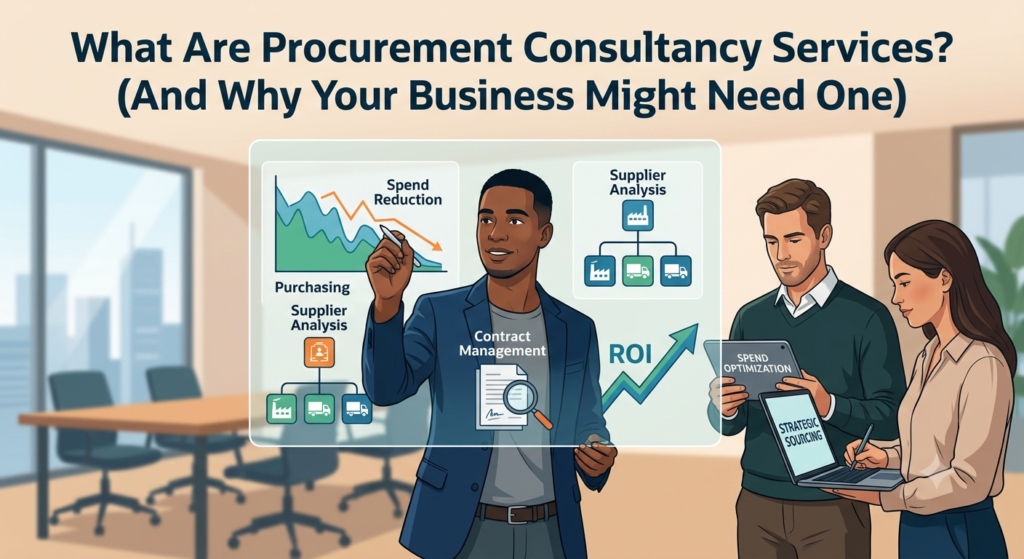
Procurement consultancy services give businesses a smarter way to handle buying from finding the right vendors to cutting unnecessary costs. With the right guidance in place, companies can stop overpaying, source faster, and build a procurement process that actually works.
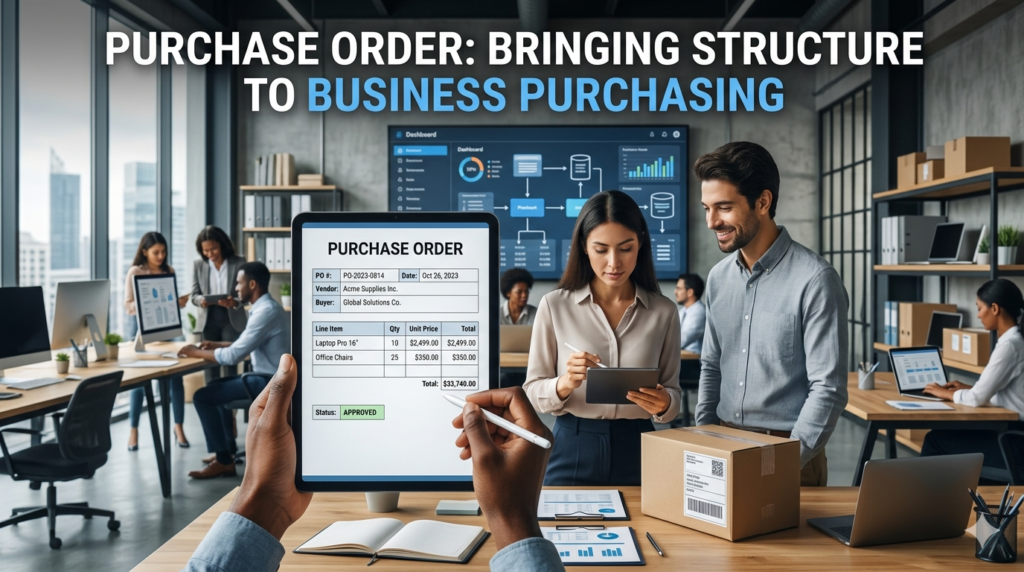
A purchase order brings clarity and control to business buying by clearly outlining what’s being purchased and agreed upon. With a structured process in place, businesses can reduce errors, track spending better, and keep procurement running smoothly.
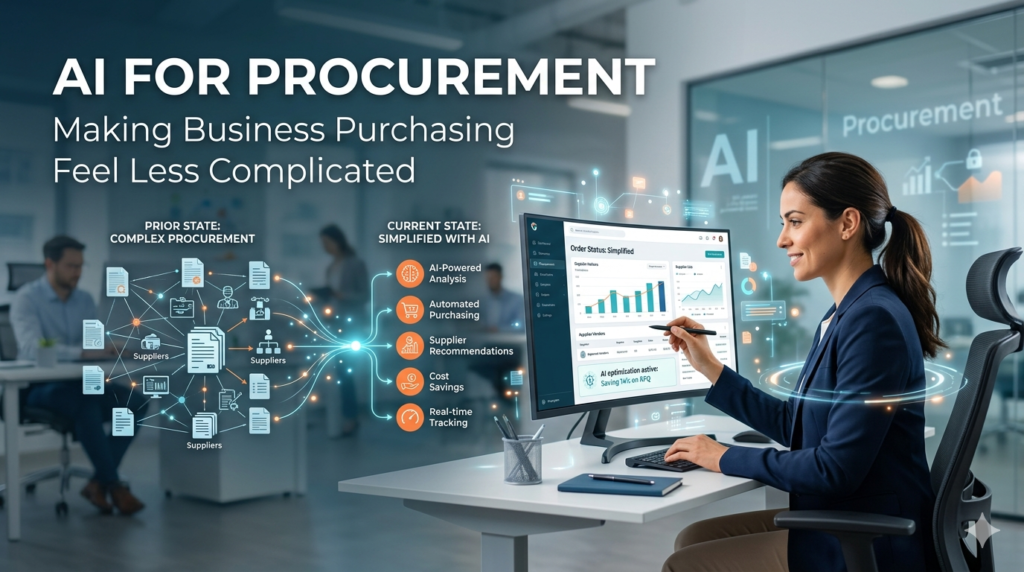
Managing procurement manually can feel overwhelming, but AI helps streamline the process by handling routine work and organizing information more efficiently. This allows teams to focus on making better decisions instead of getting stuck in day-to-day tasks.
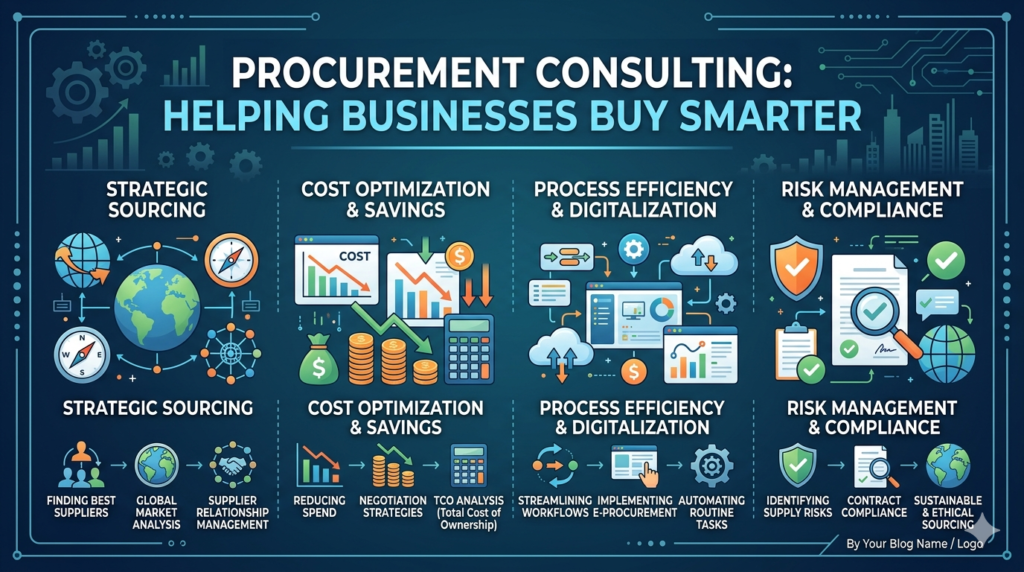
As procurement grows more complex, having the right guidance can help businesses bring structure and clarity to their processes. With expert support and the right tools, it becomes easier to manage vendors, control costs, and build a more efficient purchasing system.

When there’s no clear plan, business purchasing can feel rushed and inconsistent, leading to missed opportunities and higher costs. A simple procurement strategy helps bring direction, making it easier to choose the right vendors and make more confident decisions over time.
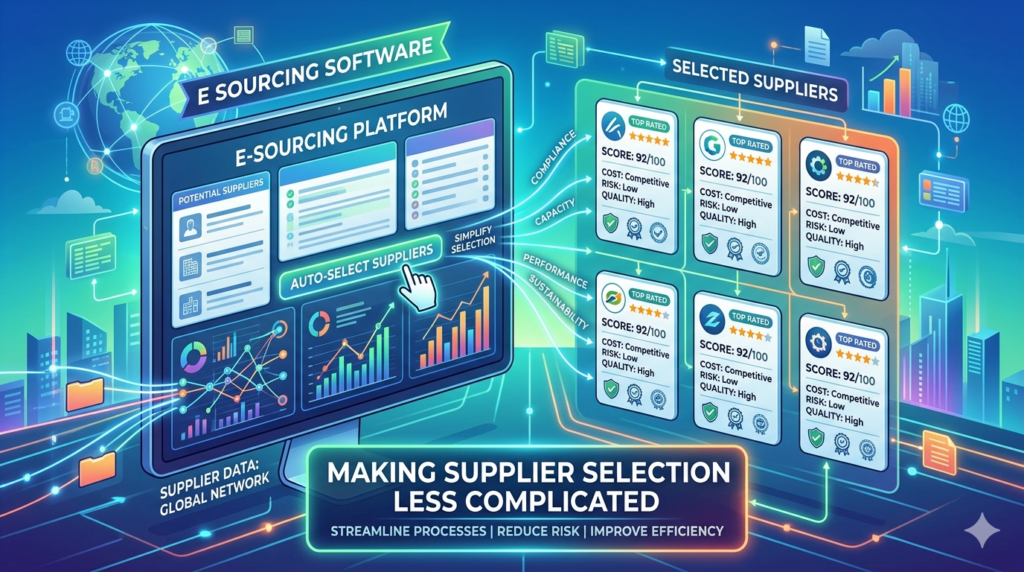
Choosing the right supplier can quickly become time consuming and messy when everything is handled manually. E sourcing software brings structure to the process, helping teams stay organized and make clearer decisions without all the back and forth.
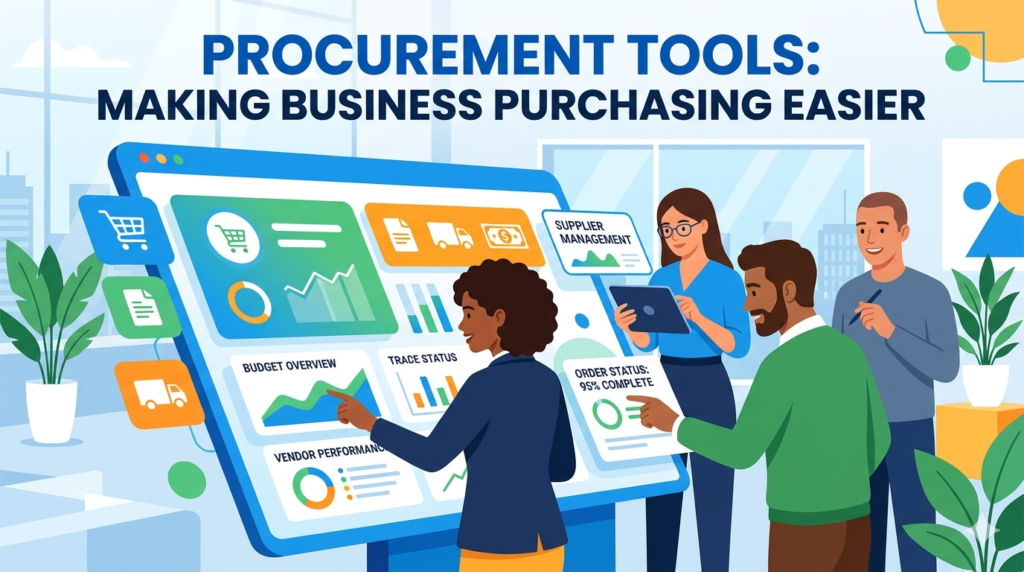
Procurement can easily become overwhelming when everything is scattered across emails and spreadsheets. Using the right tools helps bring everything together, making it easier to manage vendors, compare options, and stay in control.

In the world of business, organizations often find themselves searching for products, services, or solutions to meet their needs, whether for internal projects, specific initiatives, or responding to external demands.

In the dynamic landscape of modern business, effective resource management is crucial for operational success. Central to this is an understanding of two key concepts: purchase and procurement. While often used interchangeably, each term embodies distinct processes and strategic elements that are vital for organizations.
In today’s fast-paced business environment, effective management of contracts is crucial for maintaining competitive advantage and operational efficiency. Contract Lifecycle Management (CLM) refers to the systematic process of managing contracts from inception through execution, performance monitoring, and renewal or termination

In today’s competitive business landscape, optimizing procurement processes is critical for organizations aiming to enhance efficiency, reduce costs, and improve overall performance. One of the most effective ways to gauge the efficiency of procurement activities is by utilizing Key Performance Indicators (KPIs).
Negotiation is an essential skill in both personal and professional contexts, influencing outcomes in business deals, salary discussions, conflict resolution, and more. Without the right strategies and understanding, negotiations can become daunting or lead to unsatisfactory agreements.